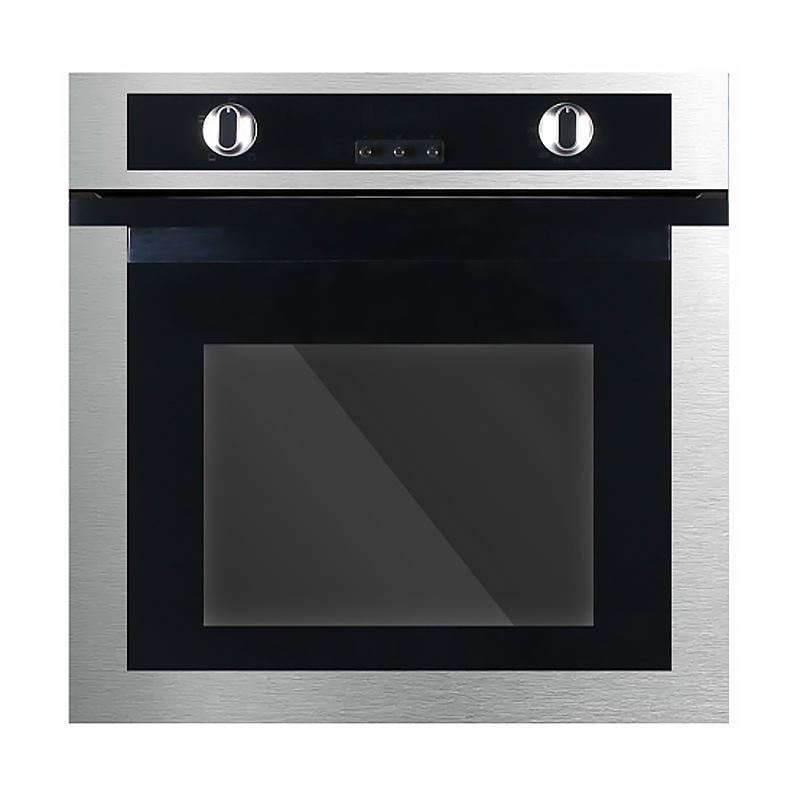
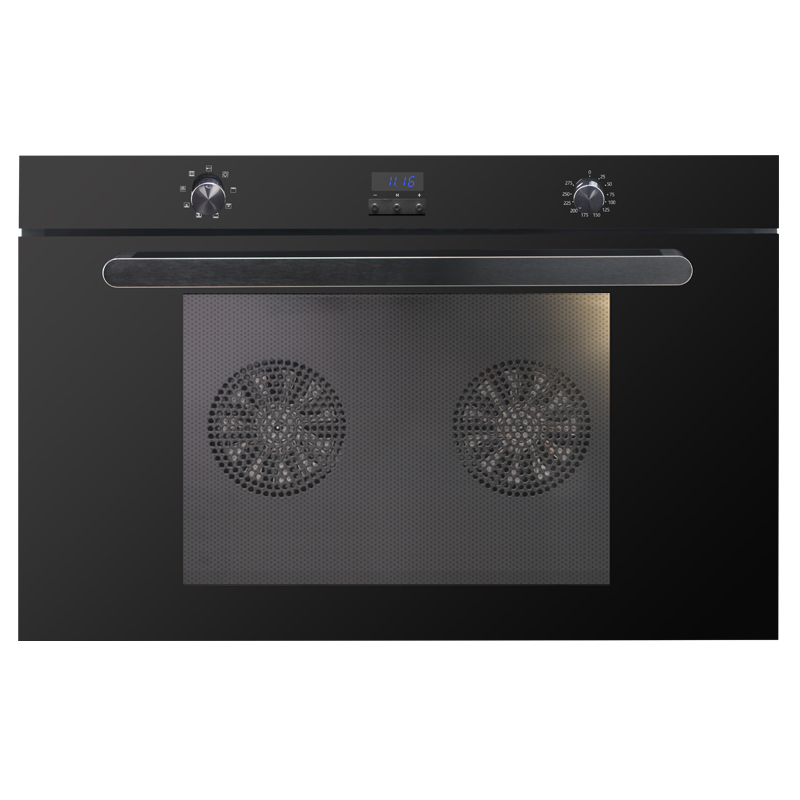
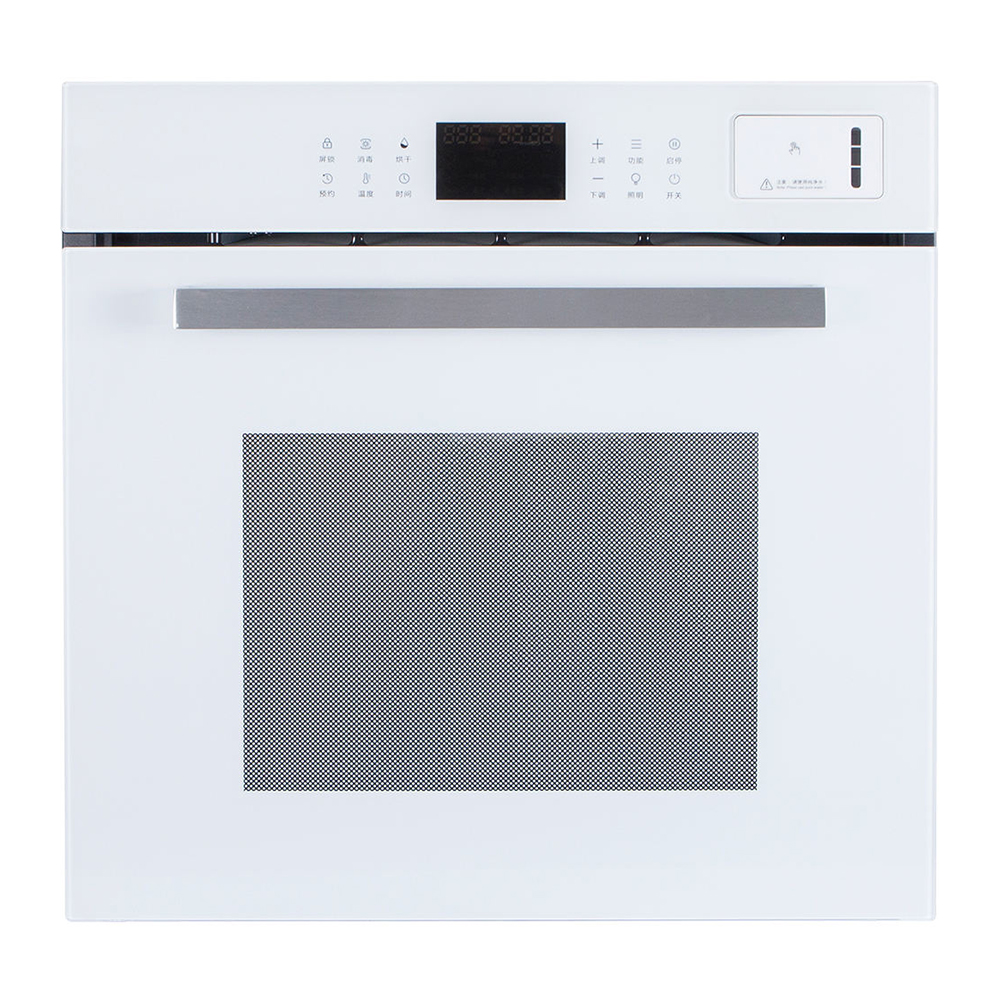
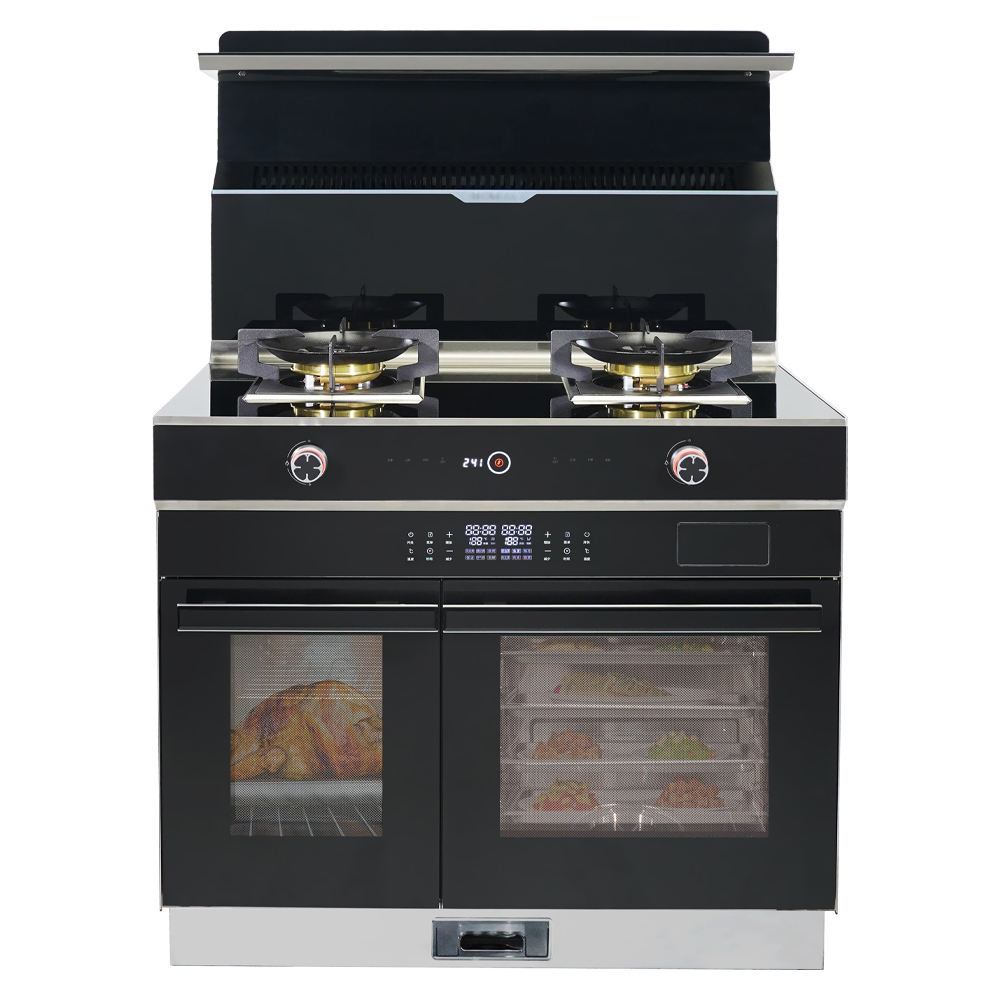
Yes — it is completely normal for a new electric oven to smell like plastic during its first few uses. The odor comes from manufacturing residues, protective coatings, insulation materials, and adhesive compounds burning off the heating elements and interior surfaces during initial heat exposure. In the vast majority of cases, this smell disappears entirely after two to four burn-in cycles and poses no ongoing health or safety concern when handled correctly.
Surveys of consumer appliance experiences consistently show that the plastic smell from a new electric oven is one of the most commonly reported concerns among first-time users — yet it is also one of the most misunderstood. Many homeowners panic, assuming the smell indicates a defect, a wiring problem, or a health hazard. In the vast majority of cases, the smell is entirely expected and self-resolving.
That said, not every plastic-like smell from an oven is benign. Knowing the difference between a normal burn-in odor and a genuine warning sign — and knowing exactly what to do in each case — is practical knowledge every oven owner should have. According to the U.S. Consumer Product Safety Commission (CPSC), appliance-related fires in the home account for an estimated 172,900 residential fires annually, with cooking appliances being the leading category. While most new oven smells are harmless, distinguishing a normal odor from an electrical fault is important.
This guide explains exactly why a new electric oven smells like plastic, what specific materials produce the odor, when the smell is normal versus when it is a warning sign, how to correctly perform the burn-in process to eliminate the smell as quickly as possible, and when to contact the manufacturer or a qualified technician.
Why Does a New Electric Oven Smell Like Plastic? The Real Causes
The plastic smell from a new electric oven is produced by several distinct materials simultaneously — not a single substance — which is why the odor can range from mildly chemical to strongly acrid depending on the oven model and how hot the initial heating cycle runs.
Manufacturing Protective Coatings on Heating Elements
The bake and broil elements in a new electric oven are coated with a thin layer of oil or wax-based rust-inhibiting compound applied at the factory to prevent corrosion during storage and shipping. When these elements heat for the first time, this coating vaporizes — producing a sharp, acrid, oil-burning odor that many people describe as plastic-like. The vaporization is typically complete after one to two heating cycles at temperatures above 200°C (400°F).
Enamel and Interior Coating Cure
The interior cavity of most electric ovens is finished with a vitreous enamel coating — a glass-ceramic layer fired onto the steel at very high temperatures during manufacturing. However, the final curing of this enamel, and the outgassing of any remaining volatile organic compounds (VOCs) trapped within it, continues during the oven's first operational heat cycles. According to appliance safety testing standards referenced by the International Electrotechnical Commission (IEC), it is standard practice for manufacturers to specify a break-in procedure in product manuals precisely because this outgassing is predictable and expected.
Insulation Outgassing
Modern electric ovens use mineral wool or ceramic fiber insulation between the inner and outer oven walls to retain heat and maintain a cool exterior surface. This insulation contains binding agents — typically organic resins — that were never fully cured at the temperatures used in the factory assembly process. When the oven reaches cooking temperatures for the first time, these binders complete their thermal cure, releasing low-level VOC emissions that contribute to the plastic-like odor. This process is analogous to the "new car smell" phenomenon — the outgassing of assembly adhesives and interior materials.
Adhesives, Gaskets, and Wire Insulation
The door gasket (the seal around the oven door opening), wiring harness insulation inside the appliance, and adhesive compounds used to bond insulation or components during assembly all contain polymer-based materials that outgas at elevated temperatures. Most of these materials are rated for high-temperature service and do not degrade during normal oven use — but their initial heat exposure does produce some odor as the surface molecules stabilize. The door gasket in particular, made of silicone or woven fiberglass, is a common source of a plastic or rubber smell during the first several uses.
Protective Packaging Residues
Protective foam, cardboard, and plastic wrap from shipping packaging occasionally leave residues inside or around the oven cavity. Small fragments of foam or plastic film can lodge in door hinges, ventilation slots, or around the bottom panel — and these materials do not survive contact with oven heat. Always perform a thorough inspection of the interior, door channel, and ventilation areas before first use to remove any packaging material.
Normal Burn-In Smell vs. Warning Sign: How to Tell the Difference
The most important skill when a new electric oven smells like plastic is distinguishing between the normal burn-in odor and an odor that indicates a genuine fault. The characteristics of each are distinct once you know what to look for.
| Characteristic | Normal Burn-In Odor | Potential Warning Sign |
| Timing | First 2–4 uses only; diminishes each time | Persists or intensifies after 4+ uses |
| Odor character | Mild chemical / oily / warm plastic smell | Sharp burning plastic, acrid electrical smell, or smoke |
| Visible smoke | Slight light haze possible; no heavy smoke | Heavy black or dark smoke from any source |
| Smoke source | Diffuse — from interior generally | Localized — from wiring, back panel, or plug |
| Electrical indicators | None — oven functions normally | Tripped breaker, sparks, flickering display |
| Resolution | Disappears after 2–4 burn-in cycles | Does not resolve with repeated use |
Table 1: Comparison of normal new electric oven burn-in odor characteristics versus potential warning signs requiring professional inspection
Important: If you detect a sharp, acrid burning smell combined with localized smoke from the back of the oven, the wall socket, or the supply cable — turn the oven off immediately at the wall switch, unplug it if safe to do so, and contact the manufacturer or a qualified electrician before using the oven again. These are signs of a potential electrical fault, not a normal burn-in.
How Long Does a New Electric Oven Smell Like Plastic?
The plastic smell from a new electric oven typically diminishes noticeably after the first use and disappears entirely after two to four burn-in cycles at cooking temperatures — most commonly within the first week of regular use.
The timeline depends on several variables:
| Factor | Effect on Odor Duration | Practical Action |
| Burn-in temperature used | Higher temp burns off coatings faster | Use 230–260°C (450–500°F) for burn-in cycles |
| Kitchen ventilation | Poor ventilation makes odor seem to linger | Open windows and run exhaust fan during burn-in |
| Oven features (e.g., pyrolytic) | Pyrolytic models have heavier initial outgassing | Run initial burn-in at standard temp before pyrolytic |
| Presence of packaging residues | Forgotten packaging materials intensify odor | Thoroughly inspect and clean before first use |
| Cooking mode used | Convection mode circulates heat more evenly — burns off coatings faster | Use convection setting for burn-in cycles if available |
Table 2: Factors affecting how long a new electric oven smells like plastic and corresponding actions to reduce the timeline
If a new electric oven continues to smell like plastic after five or more burn-in cycles at proper temperatures with good ventilation, contact the manufacturer's customer service. While uncommon, some units do have manufacturing quality issues — residues that were applied too thickly, or insulation materials that were not correctly cured before shipment — and manufacturers will typically offer to replace the unit or dispatch a technician under warranty.
How to Burn In a New Electric Oven: Step-by-Step
The burn-in process for a new electric oven — also called the seasoning or break-in process — is a simple but specific procedure that eliminates manufacturing residues and eliminates the plastic odor as efficiently as possible. Most manufacturers include instructions in the owner's manual; this is the general best-practice procedure.
Before the First Burn-In: Preparation
- Remove all internal packaging materials: Check inside the oven cavity, the drawer below (if fitted), the broil element cover, and around the door gasket for any foam pads, cardboard pieces, plastic film, or tape. These are easy to miss and will produce far more intense smoke and odor than normal outgassing if left in place during heating.
- Wipe down the interior: Use a damp cloth (no cleaning products) to wipe the interior cavity surfaces, oven racks, and door interior. This removes any loose surface dust, metal filings from installation, or handling residue from the factory. Do not use abrasive cleaners or oven spray on a new oven before the first use — chemical residues from these products will add their own odors to the burn-in smoke.
- Open windows and activate ventilation: Ensure the kitchen is well ventilated — open at least two windows to create cross-ventilation, and turn on the range hood extractor fan to its highest setting. The VOCs released during burn-in are not acutely toxic in the concentrations produced by a single oven, but prolonged exposure in a sealed room is unnecessarily unpleasant and inadvisable, particularly for people with respiratory sensitivities.
- Remove pets from the kitchen area: Birds in particular — including parakeets, canaries, and cockatiels — are highly sensitive to airborne fumes, including the VOCs released during oven burn-in. The Avian Welfare Coalition recommends keeping pet birds in a well-ventilated room away from any cooking appliance during the initial use period. Small mammals may also be sensitive to concentrated fume exposure.
The Burn-In Procedure
- Set the oven to 230–260°C (450–500°F) — above normal cooking temperature to ensure thorough vaporization of manufacturing residues. Lower temperatures (150–180°C) may be specified by some manufacturers for the first cycle; check your manual.
- Run the oven empty for 45–60 minutes at this temperature. Do not place food, racks (if newly coated), or any items inside during the burn-in.
- Allow the oven to cool completely before opening and inspecting. Opening a very hot oven releases a concentrated burst of VOC-laden hot air — wait for the oven to cool to below 50°C (122°F) before opening the door fully.
- Repeat two to three times on subsequent days or uses. Each cycle will produce progressively less odor. By the third cycle, the oven should be essentially odor-free under normal cooking conditions.
- After the final burn-in cycle, wipe the interior again with a damp cloth to remove any settled residue or soot from the outgassing process. The interior should now be ready for normal cooking use.
Is the Plastic Smell from a New Electric Oven Harmful to Health?
The plastic smell from a new electric oven is produced by VOC (volatile organic compound) emissions from manufacturing materials — and while brief, moderate exposure during a properly ventilated burn-in process is not considered a significant health risk for healthy adults, it is worth understanding what is being emitted and why ventilation matters.
The primary VOC emitters in a new electric oven include:
- Mineral oil vapors from element coatings: Non-toxic at the concentrations produced; unpleasant but not hazardous in a ventilated room.
- Enamel coating outgassing (primarily formaldehyde and acetaldehyde): At the low concentrations produced by a single domestic oven, these compounds are not acutely hazardous. The U.S. Environmental Protection Agency (EPA) classifies formaldehyde as a probable human carcinogen at sustained high concentrations — but the trace emissions from oven outgassing dissipate rapidly in a ventilated kitchen.
- Silicone gasket outgassing: High-quality silicone door seals rated for oven temperatures produce minimal VOCs; lower-grade rubber seals may produce more noticeable odors but at similarly low concentrations.
- Insulation binder outgassing: Mineral wool binders emit organic vapors at low concentrations during initial cure; these are the compounds most responsible for the "new appliance" smell.
The practical health guidance from the U.S. Environmental Protection Agency for managing VOC exposure in the home is straightforward: ventilate, ventilate, ventilate. Opening windows, running the range hood, and minimizing time spent in a sealed kitchen during burn-in cycles reduces VOC concentration to levels that are not a health concern for the general population.
Groups that should take extra precautions during new oven burn-in include: people with asthma or reactive airway conditions, pregnant women (as a general precaution against any VOC exposure), and very young children. For these groups, leaving the home or staying in a different room with good cross-ventilation while the burn-in runs — rather than simply cracking a window — is the prudent approach.
New Electric Oven Smell Situations: What Each Means
Different types of smells from a new electric oven have different causes and different required responses. The table below provides a quick diagnostic reference.
| Smell Description | Most Likely Source | Normal? | Action Required |
| Mild chemical / oily odor | Element protective coating burning off | Yes | Ventilate; run burn-in cycles |
| Plastic / polymer odor | Insulation / enamel outgassing | Yes (first 2–4 uses) | Ventilate; complete burn-in |
| Rubber / burning rubber smell | Door gasket initial cure or overlooked packaging | Usually yes | Check for forgotten packaging; ventilate |
| Sharp acrid / electrical smell | Possible wiring insulation fault or arcing | No | Turn off immediately; call manufacturer |
| Burning plastic with dark smoke | Forgotten packaging burning or component fault | No | Turn off; inspect interior; contact manufacturer |
| Gas-like smell | Wrong appliance installed (gas vs. electric) or gas supply issue | No | Evacuate; call gas provider immediately |
Table 3: Diagnostic reference guide for new electric oven odors — smell type, source, normal status, and required action
Special Cases: When the Plastic Smell Is Stronger Than Expected
Some new electric oven models produce noticeably stronger plastic or chemical odors during their burn-in than others — and understanding why helps set expectations and choose the right approach.
Pyrolytic Self-Cleaning Ovens
Pyrolytic electric ovens use temperatures of 450–500°C during their self-cleaning cycle — far above normal cooking temperatures. The enamel and insulation materials used in pyrolytic models are formulated to withstand this extreme heat, but they also contain different (and often greater quantities of) binding compounds than non-pyrolytic ovens. As a result, new pyrolytic ovens often produce a more intense initial odor. Manufacturers of pyrolytic ovens typically specify that the first burn-in should be performed at a standard cooking temperature (200–230°C) for 30–45 minutes before running the pyrolytic cycle for the first time — this sequential approach prevents extreme outgassing and the very strong odors that would result from heating a brand-new pyrolytic oven directly to 500°C.
Ovens with Catalytic Liner Panels
Catalytic liner panels — porous enamel side panels that absorb and oxidize grease splatters during cooking — also have a characteristic initial odor during their first several uses. The catalytic material is a specialized enamel formulation that requires a break-in period to fully activate. Some users describe the initial catalytic liner odor as a slightly sour or acrid smell, distinct from the typical new oven plastic odor. This is normal and resolves within the first three to five cooking sessions.
Ovens Stored for Extended Periods Before First Use
An electric oven that was manufactured, shipped, and then stored in a warehouse or showroom for six months or more before purchase may produce a stronger-than-normal odor during its first use. Extended storage in temperature-varying conditions causes manufacturing coatings to partially degrade or thicken, and the accumulated outgassing that occurs when the unit finally reaches full operating temperature can be noticeably more intense. This is not a defect, but it does mean that a longer or more thorough burn-in procedure may be required — sometimes up to five or six cycles rather than the typical two or three.
Frequently Asked Questions: New Electric Oven Smells
Can I cook food in a new electric oven that still smells like plastic?
Technically yes, but it is not recommended for the first one or two uses. The VOC emissions during initial burn-in can transfer faint chemical flavors to food cooked in an insufficiently burned-in oven. The established best practice from appliance manufacturers is to complete at least one empty burn-in cycle at full temperature before cooking food, and to repeat this process a second time if any odor remains after the first cycle. Once the burn-in odor has resolved — which for most ovens happens within 2–3 heating sessions — cooking food in the oven is completely safe and taste-neutral.
Does placing a bowl of water or baking soda in the oven help eliminate the plastic smell?
Placing a bowl of water in the oven during burn-in is a popular home remedy that has limited effectiveness for the plastic smell from a new electric oven. Steam does help carry some airborne VOC particles out through the ventilation, but it does not accelerate the vaporization of the element coatings or insulation binders — only heat does that. A bowl of baking soda placed in a cool oven between cycles can help absorb residual odors, but again does not substitute for completing the burn-in at proper temperature. The most effective approach remains simply running the oven empty at high temperature with good kitchen ventilation — no additives needed.
My new electric oven still smells after five uses — should I return it?
If a new electric oven continues to smell like plastic after five completed burn-in cycles at temperatures of 230°C or above with adequate kitchen ventilation, contact the manufacturer's customer service. This is outside the normal range and may indicate an issue with the specific unit — such as excessive manufacturing residue, a gasket material quality issue, or an insulation product that was not correctly cured before shipping. Most appliance manufacturers offer a warranty period of at least 12 months for manufacturing defects, and a unit that cannot be de-odorized through the normal burn-in process is a legitimate warranty claim in most jurisdictions.
Is the plastic smell more common with certain types of electric ovens?
Yes — pyrolytic electric ovens and ovens with heavy insulation for energy efficiency ratings tend to produce stronger initial odors than basic fan-assisted models, simply because they contain more insulation material and more specialized coatings. Built-in ovens (as opposed to freestanding ranges) tend to have more noticeable odors because they are often wrapped in additional insulation to protect surrounding cabinetry from heat. However, all of these produce only temporary odors that resolve within the same two-to-four-cycle burn-in timeframe as simpler models.
How do I know if my oven's plastic smell is an electrical problem?
An electrical fault produces a distinctly different odor from normal outgassing — it is typically described as sharp, acrid, or "hot wire" smelling, rather than the warm plastic or oily character of normal burn-in. Other signs of an electrical issue include: smoke coming from a localized point (the back panel, the control area, or the wall socket) rather than diffusely from the oven interior; the circuit breaker tripping when the oven is turned on; visible scorching or discoloration around the oven's power input; or a crackling or buzzing sound from inside the appliance. If any of these are present alongside a burning smell, switch the oven off at the wall, do not use it until it has been inspected by a qualified electrician, and contact the manufacturer under warranty.
Do gas ovens also smell like plastic when new?
Yes — the plastic or chemical smell from a new oven is not exclusive to electric models. Gas ranges and gas ovens contain the same types of enamel, insulation, and element coating materials in their oven cavities, and they also require a burn-in period. The gas burner itself adds a faint gas combustion smell (completely normal) to the mix during initial use. The same burn-in procedure applies: empty the oven of packaging, run it at high temperature for 45–60 minutes with good ventilation, and repeat two to three times. The key difference is that any persistent gas smell in a gas appliance — as distinct from the normal brief combustion smell when burners ignite — must always be investigated by a gas professional immediately, as it may indicate a gas leak rather than a normal burn-in odor.
The plastic smell from a new electric oven is one of the most normal things you can experience with a new appliance — it is the expected consequence of manufacturing processes that use heat-cured coatings, polymer-bonded insulation, and protective element compounds that only fully stabilize during the oven's initial heat exposure. With proper ventilation and two to four burn-in cycles, the odor resolves completely and the oven is ready for years of reliable service.
The key takeaway is simple: normal burn-in smells diminish with each use, affect the whole kitchen generally, and leave no lasting trace. Anything that intensifies, localizes to a specific point on the appliance, or persists beyond four or five uses warrants a call to the manufacturer — because at that point, the smell is no longer part of the break-in process.